Defending Terminals: Cooperative Strategies in Facility 13


Understanding the Importance of Terminal Defense
In the complex environment of Facility 13, defending terminals is crucial for maintaining operational integrity and ensuring the seamless flow of information. Terminals, being the nerve centers, require robust strategies to safeguard against potential threats. Effective terminal defense not only protects sensitive data but also maintains the functional efficiency of the entire facility.
Various challenges arise when securing these pivotal points, ranging from cyber threats to physical intrusions. As technology evolves, so do the methods employed by adversaries, making it imperative for facility managers to stay ahead.
Cooperative Defense Strategies
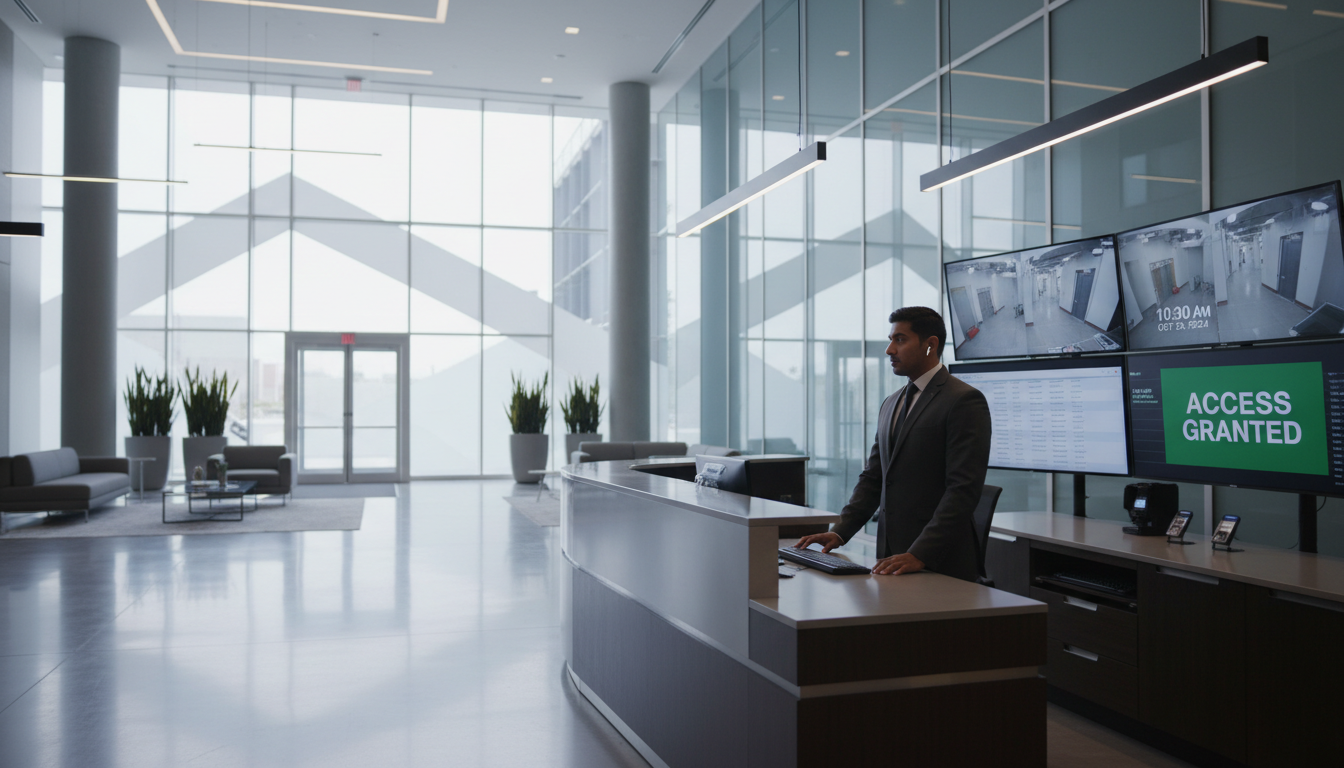
One of the most effective approaches to terminal defense is employing cooperative strategies. These involve a coordinated effort among different stakeholders, bringing together diverse expertise and resources to fortify terminal security. Cooperation enhances the ability to detect, respond, and recover from potential threats efficiently.
Engaging multiple departments within the facility ensures a comprehensive understanding of potential vulnerabilities. This collaborative approach is instrumental in developing a multi-layered defense system that can adapt to changing threat landscapes.
Integrating Technology and Human Expertise
Technology alone cannot safeguard terminals effectively. Integrating human expertise is essential for interpreting data, recognizing anomalies, and implementing personalized defense tactics. Combining advanced technology with skilled personnel creates a dynamic defense framework capable of addressing both known and emerging threats.

Proactive Measures for Terminal Security
To maintain robust security, proactive measures must be taken. Regular audits and assessments help in identifying potential weak points in the terminal defense system. This proactive approach allows for timely enhancements and the development of contingency plans to mitigate risks.
Training sessions and workshops for employees can significantly contribute to a culture of security awareness. By understanding the importance of terminal defense, staff can become the first line of defense, noticing and reporting suspicious activities promptly.
Implementing Advanced Security Protocols
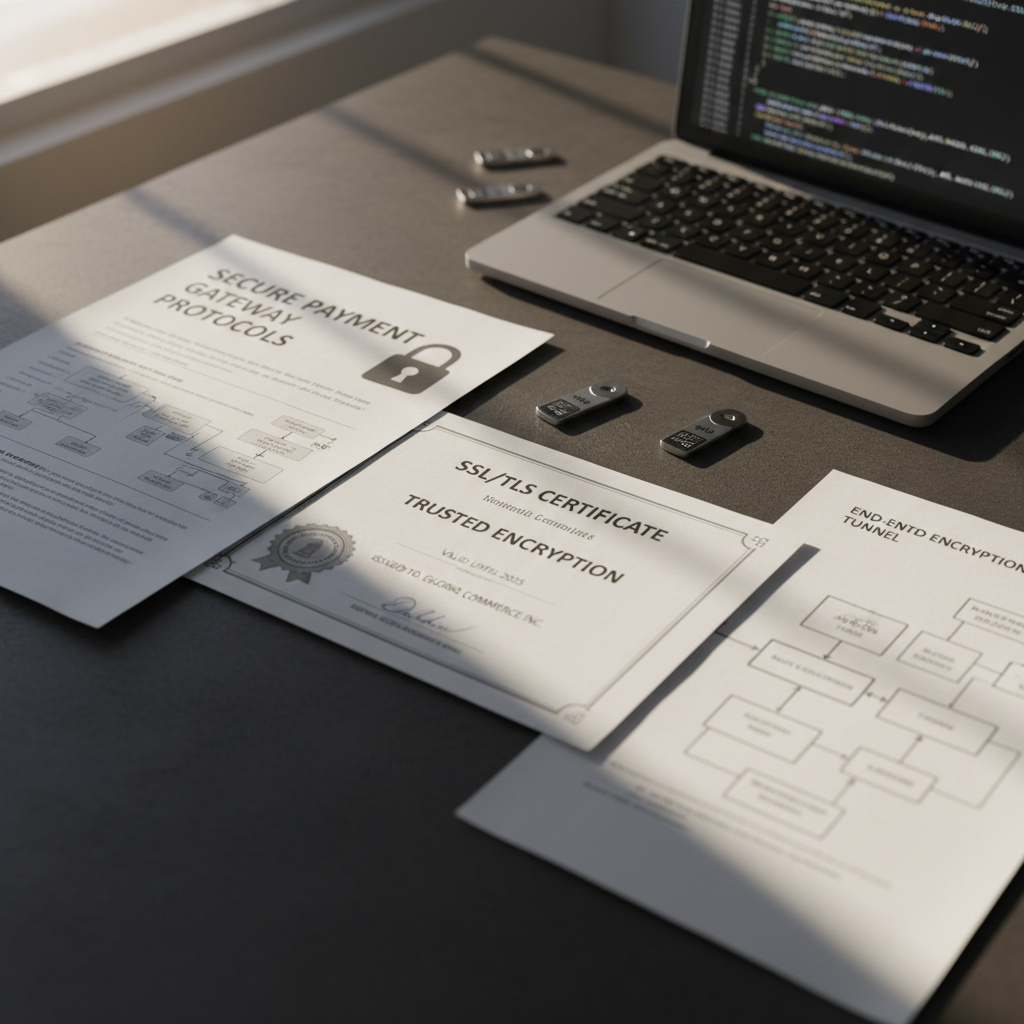
Advanced security protocols, such as encryption and multi-factor authentication, are essential components of terminal defense strategies. These protocols ensure that even if physical access to a terminal is compromised, the data remains secure and inaccessible to unauthorized users.
The Role of Continuous Improvement
In the ever-evolving landscape of security threats, continuous improvement is a necessity. Regularly updating security measures and staying informed about the latest threat intelligence can vastly improve the resilience of terminal defenses. Continuous improvement ensures adaptability and responsiveness, essential traits in a robust security strategy.
Establishing a feedback loop where employees and security teams can share insights and experiences encourages ongoing development and innovation in defense tactics.
Conclusion: A Unified Front
Defending terminals in Facility 13 requires a unified, cooperative approach. By integrating technology, human expertise, proactive measures, and continuous improvement, facilities can create a resilient defense system. Such an approach not only safeguards critical information but also enhances operational efficiency and security awareness across the board.