The Evolution of Zombie AI in VR Games: Insights from Facility13


The Rise of Zombie AI in Virtual Reality
The gaming industry has always been at the forefront of technological innovation, and the emergence of virtual reality (VR) has taken gaming experiences to unprecedented heights. Among the most thrilling developments is the evolution of zombie AI, which has transformed VR games into immersive, pulse-pounding adventures. Facility13, a pioneering game development studio, has been instrumental in this evolution, pushing the boundaries of what players can expect from their undead adversaries.
Facility13 recognized early on that the secret to a truly engaging VR experience lies in creating lifelike, unpredictable zombie AI. Traditional games often relied on scripted behaviors, but in VR, players demand more dynamic interactions. The studio's approach involved designing AI that adapts to player actions, creating a unique experience every time.

Adaptive Behavior: Crafting Realistic Challenges
The key to Facility13's success is its focus on adaptive behavior. By utilizing machine learning algorithms, the studio's AI can assess player strategies and modify its tactics in real-time. This means that players can no longer rely on memorizing patterns; instead, they must remain vigilant and adaptable, just as they would in a real-life survival scenario.
Facility13's zombies exhibit a range of behaviors, from stealthy ambushes to aggressive assaults. This diversity keeps players on their toes and ensures that no two encounters are alike. The AI's ability to learn and react creates an immersive experience that continuously challenges even the most seasoned gamers.
Enhancing Immersion with Advanced Physics
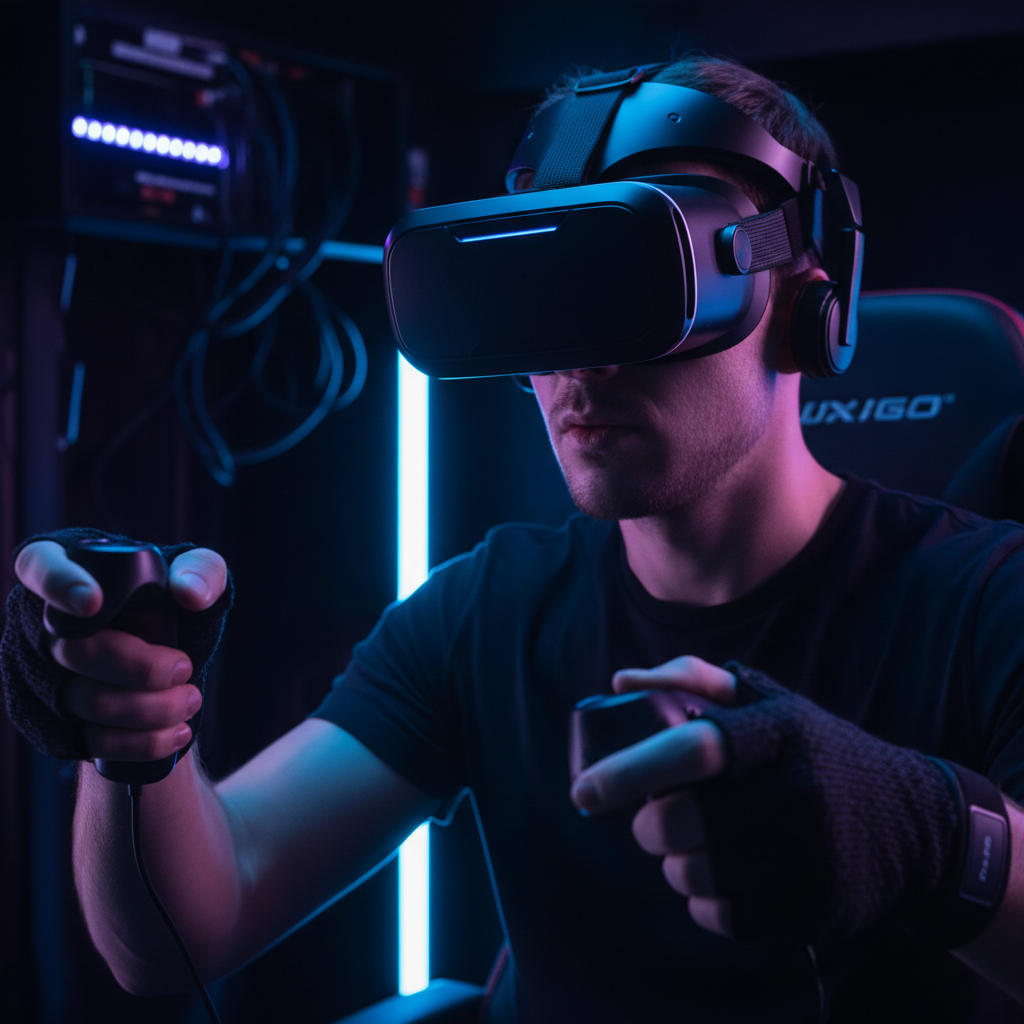
Another critical aspect of Facility13's zombie AI is its integration with advanced physics engines. By simulating realistic interactions with the environment, the studio enhances immersion and adds a layer of unpredictability. Players must navigate complex terrains and obstacles, all while facing relentless hordes of zombies.
Facility13's attention to detail extends to the zombies' physical responses. Whether it's stumbling over debris or reacting to environmental changes, these nuanced behaviors contribute to a more authentic and engaging experience.
Creating Emotional Engagement
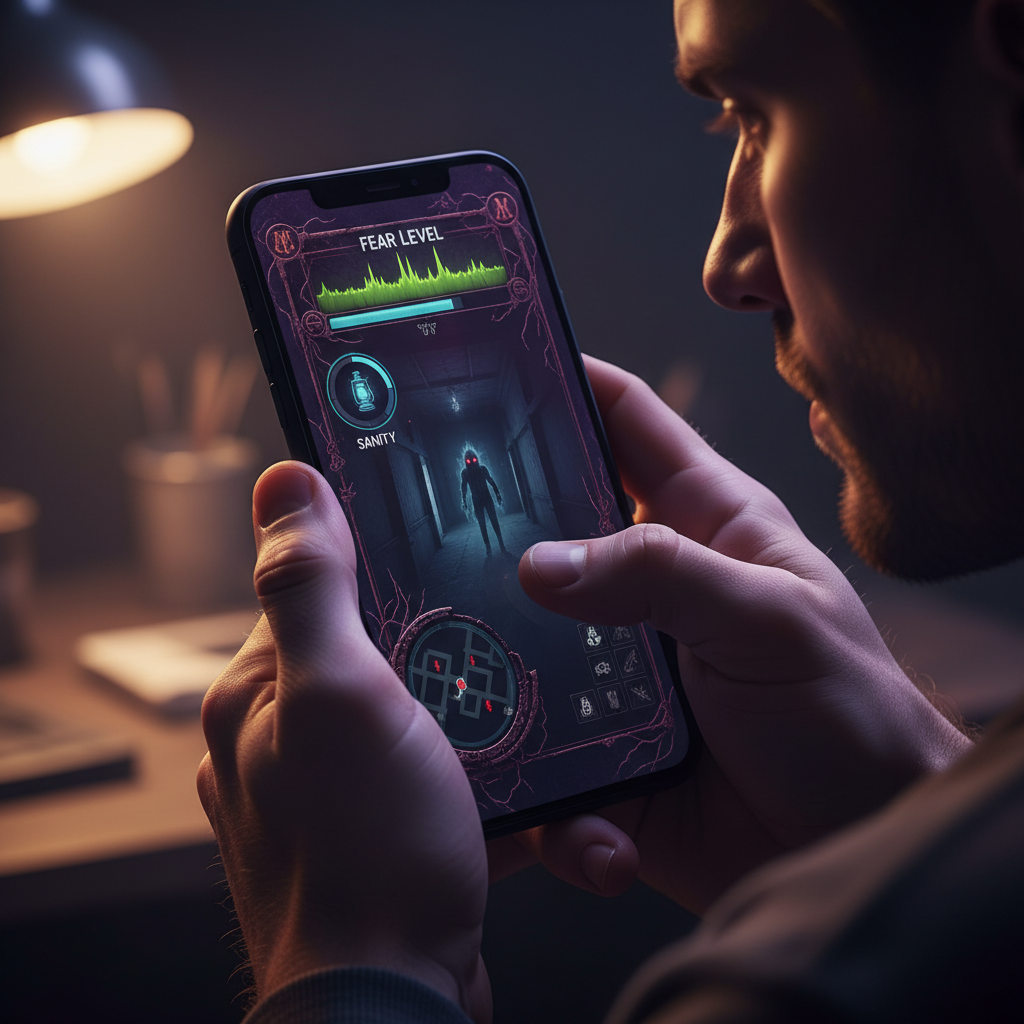
Facility13 understands that a successful VR game is not just about action; it's about creating an emotional connection. The studio has worked to develop AI that evokes fear, tension, and even empathy. By giving zombies distinct personalities and backstories, players find themselves emotionally invested in their survival.
This emotional engagement is further enhanced by the use of audio-visual cues. Facility13 employs high-quality sound design and detailed graphics to create a chilling atmosphere. Every growl, shuffle, and shadow contributes to a sense of dread that keeps players immersed in the game world.

The Future of Zombie AI in VR
As technology continues to advance, the possibilities for zombie AI in VR are limitless. Facility13 is committed to exploring new frontiers, from integrating virtual reality with augmented reality (AR) to developing AI that can interact with players through natural language processing.
The evolution of zombie AI is a testament to the power of innovation in the gaming industry. Facility13's dedication to pushing boundaries ensures that players will continue to experience thrilling and immersive adventures, blurring the line between reality and virtual worlds.