The Future of VR Gaming: Trends to Watch in Zombie Shooters


The Evolution of VR Zombie Shooters
The world of virtual reality (VR) gaming is evolving rapidly, and zombie shooters are at the forefront of this transformation. As technology improves, these games are becoming more immersive, offering players a thrilling experience that blurs the line between reality and the virtual world. With advancements in graphics, gameplay mechanics, and interactivity, the future of VR zombie shooters looks incredibly promising.
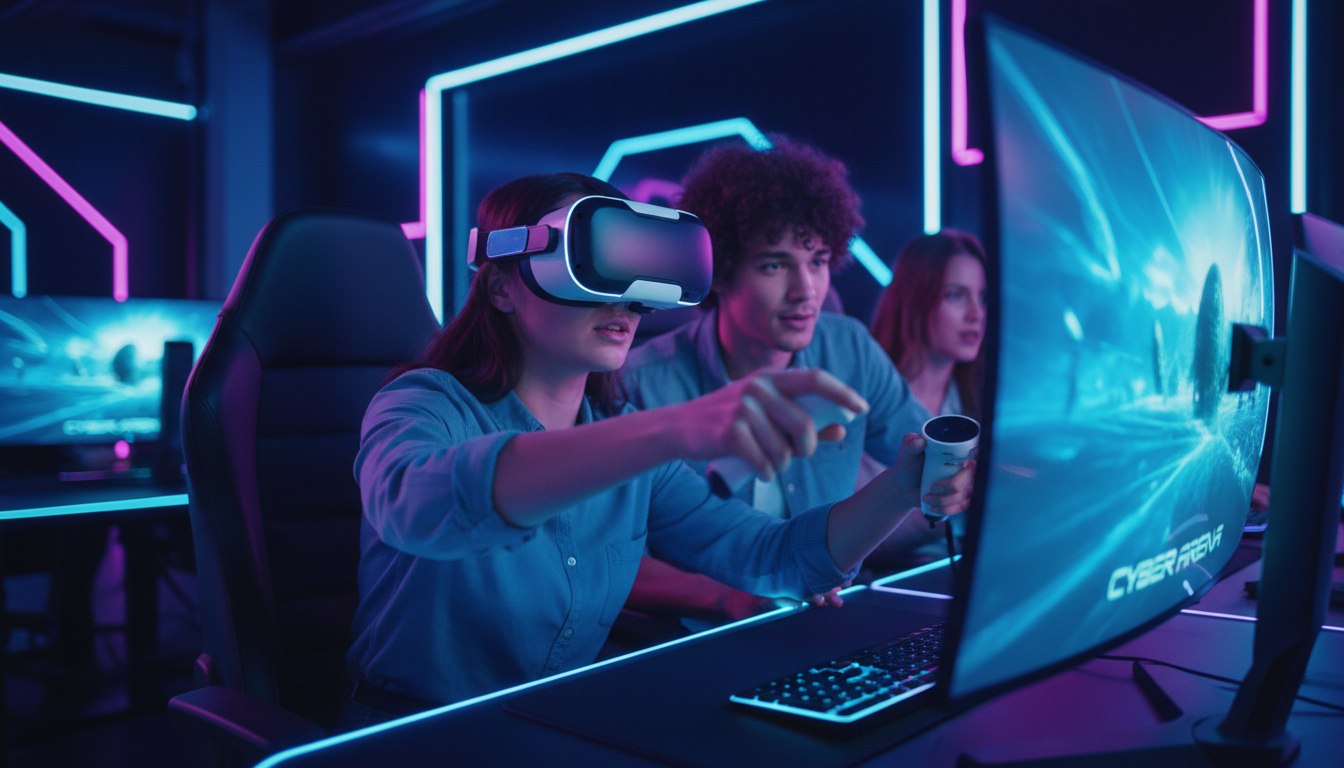
One of the most exciting developments in this genre is the increasing realism of the gaming environments. Enhanced graphics and improved hardware allow for detailed, lifelike worlds that pull players into the game. This level of immersion is critical for creating a compelling zombie apocalypse experience.
Immersive Gameplay Mechanics
The future of VR zombie shooters will likely focus on more complex and engaging gameplay mechanics. Developers are experimenting with elements such as real-time strategy, resource management, and survival dynamics to deepen the gaming experience. This means players will not only fight off hordes of zombies but also need to make strategic decisions to survive.
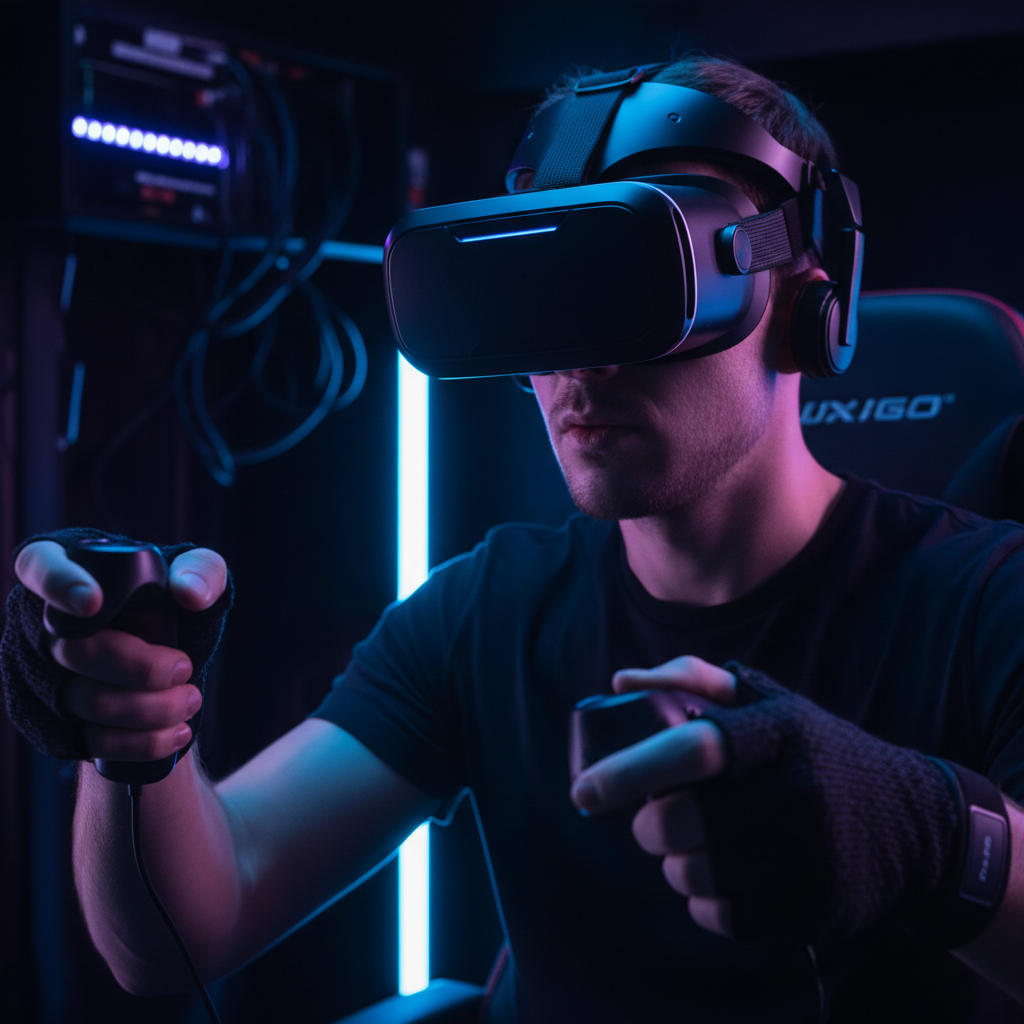
Moreover, the integration of haptic feedback technology is set to enhance the tactile sensations of VR gaming. This technology allows players to feel every gunshot, explosion, and zombie encounter, adding a new layer of realism to the experience. As haptic devices become more sophisticated and affordable, their use in gaming will likely become widespread.
Social and Multiplayer Integration
Another trend in VR zombie shooters is the focus on social and multiplayer elements. Developers are creating platforms where players can connect, team up, and battle zombies together. These social experiences are not only about competition but also about collaboration, as players work together to achieve common goals.
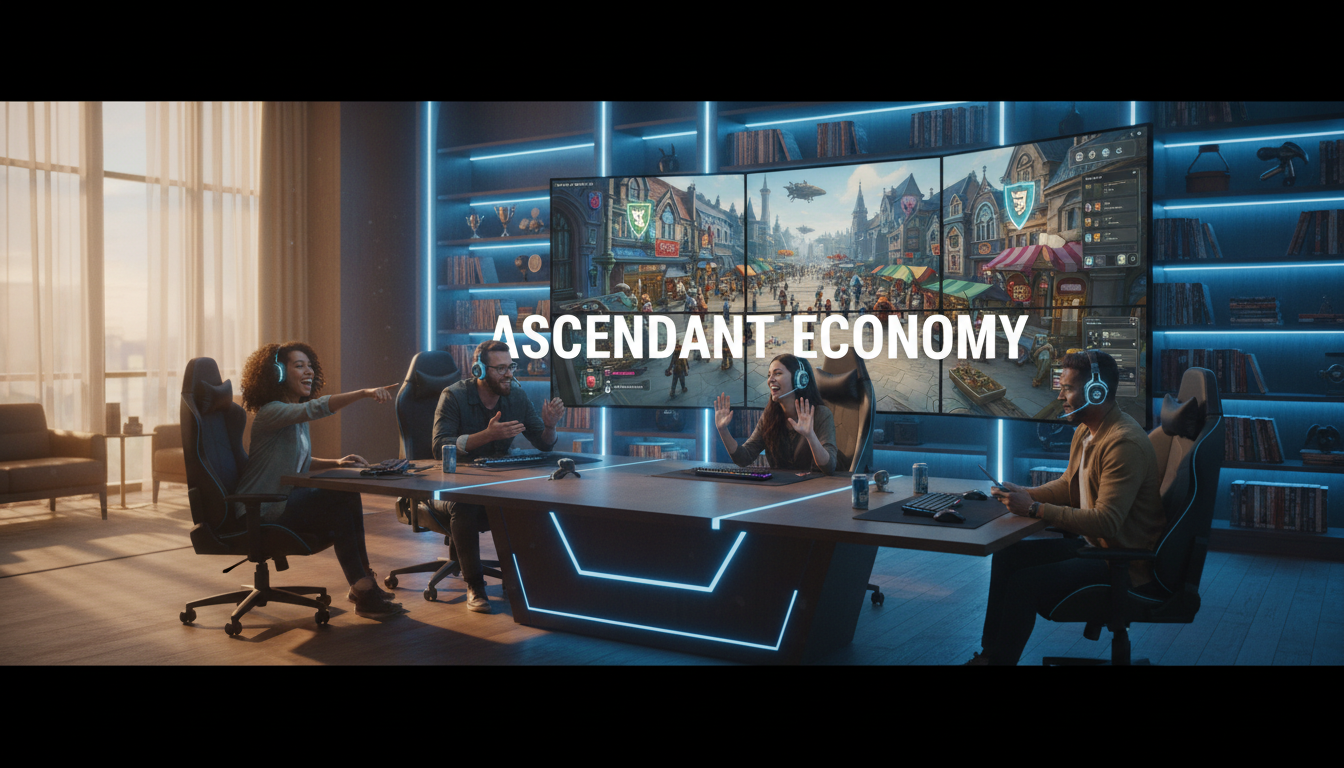
Multiplayer modes are becoming more sophisticated, incorporating voice chat and real-time interaction, which enhances the communal aspect of gaming. As VR technology advances, these social features will likely become more integral to the gaming experience, making it more engaging and interactive.
Adaptive AI and Dynamic Worlds
Artificial intelligence (AI) is playing a significant role in the evolution of VR zombie shooters. Developers are using AI to create adaptive enemies that respond to player actions, making each gaming session unique. This dynamic approach ensures that players face new challenges every time they play, keeping the experience fresh and exciting.
Additionally, dynamic world-building is becoming a focal point. Game environments that change based on player choices and actions create a sense of agency and consequence. This level of interactivity not only enhances the realism of the game but also encourages players to explore different strategies and pathways.
The Role of Storytelling
Incorporating rich storytelling elements is another trend to watch in VR zombie shooters. As players become more invested in the narrative, their emotional connection to the game deepens. This storytelling approach can include branching storylines, character development, and moral decisions, adding layers of complexity and engagement.
The future of VR zombie shooters is set to be an exciting journey of innovation and creativity. With advancements in technology, gameplay mechanics, and storytelling, these games will continue to push the boundaries of what's possible in virtual reality. As these trends develop, players can look forward to even more immersive and thrilling experiences.